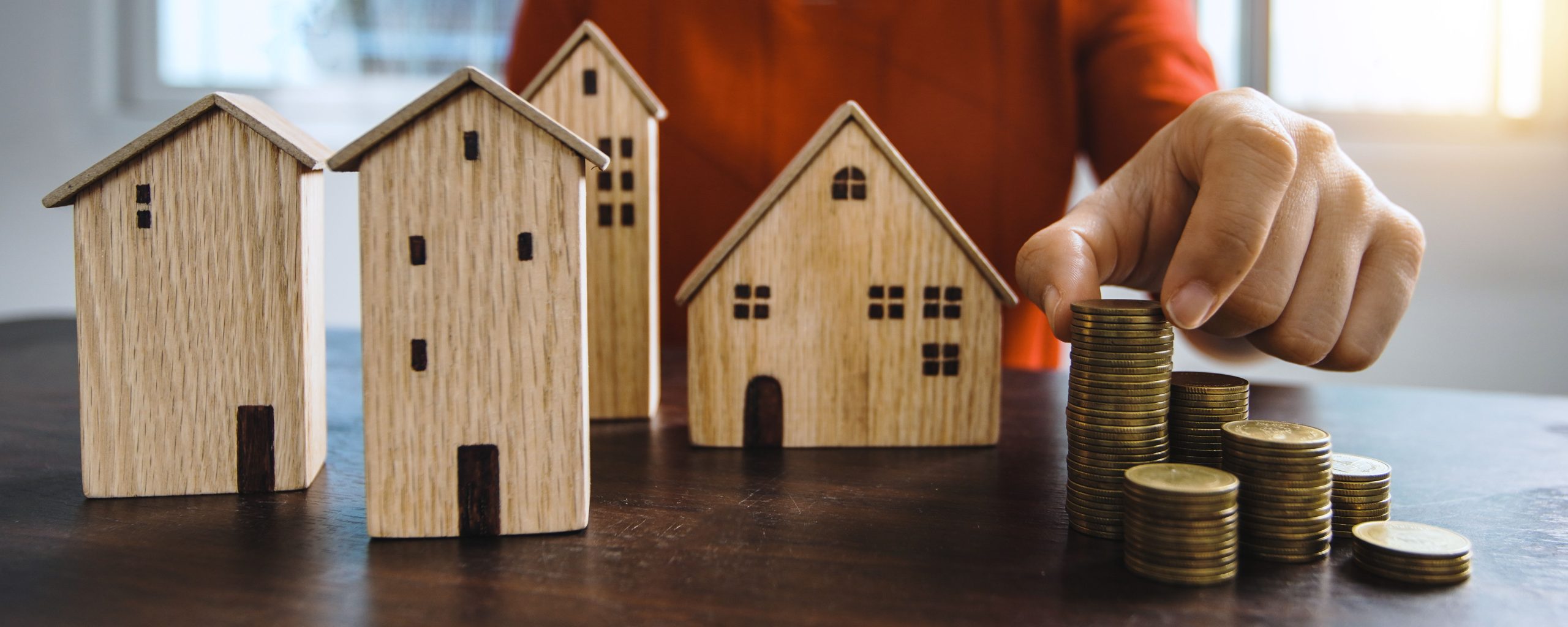
If you want to save for a down payment on a house in 2026, you are up against a tough market: home prices are near record highs, mortgage rates are still above 6%, and the typical renter has only a few thousand dollars in liquid savings. The good news is that the “you need 20% down” rule is mostly a myth. With the right target, the right accounts, and a realistic monthly plan, buying your first home is far more achievable than most people think.
This guide walks you through exactly how much you actually need, how to build a savings plan that works on a normal income, where to keep your money while it grows, and which loan programs and assistance funds can shrink the amount you have to save.
How Much Do You Really Need for a Down Payment in 2026?
Before you can save for a down payment on a house, you need a clear number. Here is what the data shows for 2026:
- Median existing-home price: The National Association of Realtors (NAR) reported a record median existing-home price of about $440,600 in June 2026, with prices running in the $430,000–$440,000 range through the summer.
- Median first-time buyer down payment: First-time buyers put down a median of 10%, the highest level since 1989. Repeat buyers put down a median of 23%, largely because they use equity from a previous home.
- Median down payment in dollars: Realtor.com put the median down payment at about $23,400 in Q1 2026, the lowest level since 2021.
In other words, most first-time buyers are not putting 20% down. They are putting down somewhere between 3% and 10%.
Down Payment Examples on a $435,000 Home
| Down Payment % | Amount Needed | Typical Loan Type |
|---|---|---|
| 0% | $0 | VA or USDA loan (eligible buyers only) |
| 3% | $13,050 | Conventional 97, HomeReady, Home Possible |
| 3.5% | $15,225 | FHA loan |
| 5% | $21,750 | Conventional |
| 10% | $43,500 | Conventional |
| 20% | $87,000 | Conventional (no PMI) |
Your target depends on the price of homes in your area. A buyer in Ohio or Texas might be looking at $280,000 homes, while a buyer in California or Massachusetts could easily be looking at $700,000 or more. Use local listing prices, not national averages, to set your goal.
Don’t Forget Closing Costs and a Cash Cushion
Your down payment is not the only cash you need at closing. Plan for:
- Closing costs: usually 2% to 5% of the purchase price (lender fees, title insurance, appraisal, prepaid taxes and insurance).
- Moving and setup costs: movers, furniture, utility deposits.
- An emergency fund: ideally 3 to 6 months of expenses left over after closing, because homeowners pay for their own repairs.
A realistic all-in target for a $435,000 home with 5% down might look like this: $21,750 down payment + about $13,000 in closing costs + $10,000 emergency reserve = roughly $45,000. Some of the closing costs can be negotiated as seller credits, which we cover below.
Step 1: Set a Specific Down Payment Goal and Timeline
Vague goals rarely get funded. Turn your target into a monthly number.
Formula: (Total cash needed − what you already have) ÷ number of months until you want to buy
Examples for a $30,000 goal:
| Timeline | Monthly Savings Needed |
|---|---|
| 2 years (24 months) | $1,250 |
| 3 years (36 months) | $833 |
| 4 years (48 months) | $625 |
| 5 years (60 months) | $500 |
These figures ignore interest, so in practice you will need slightly less each month if your savings earn a competitive yield. If the monthly number feels impossible, you have three levers: extend the timeline, lower the purchase price, or use a low-down-payment loan or assistance program to reduce the target.
Step 2: Build a Budget That Funds Your Down Payment First
The most reliable way to save for a down payment on a house is to treat it like a bill, not like leftover money.
Use the “Pay Yourself First” Method
Set up an automatic transfer from your checking account to a dedicated down payment savings account on payday. If the money moves before you see it, you will adjust your spending around what’s left.
Try a Simple Budget Framework
- 50/30/20 rule: 50% of take-home pay for needs, 30% for wants, 20% for savings and debt. For a faster house fund, shift it to 50/20/30, with 30% going to savings.
- Zero-based budgeting: give every dollar a job each month, with “house fund” as one of the first line items.
Cut the Big Three Expenses First
Small cuts help, but big savings come from the largest categories:
- Housing: Get a roommate, move to a cheaper apartment, or negotiate your lease renewal. Saving $400 a month on rent adds $14,400 over three years.
- Transportation: Avoid a new car payment while you are saving. Keeping an older paid-off car can free up $500 or more per month.
- Food: Meal planning and cooking at home can cut grocery and dining costs by hundreds per month.
After that, audit subscriptions, insurance premiums, and phone plans. Shopping your car insurance and cell plan once a year often saves $50–$150 per month with almost no lifestyle change.
Step 3: Choose the Right Account for Your Down Payment Savings
Where you keep your house fund matters. The money needs to be safe, accessible, and earning interest. Avoid putting short-term down payment money in the stock market; a market drop the year you plan to buy could set you back significantly.
Best Places to Keep Down Payment Savings
- High-yield savings account (HYSA): FDIC-insured, easy to access, and typically pays several times more than a traditional bank savings account. This is the default choice for most savers.
- Certificates of deposit (CDs): Lock in a rate for 6 to 24 months. A “CD ladder” lets portions mature at different times so you aren’t stuck if you find a house early.
- U.S. Treasury bills: Short-term government debt with interest that is exempt from state and local income tax, which helps savers in high-tax states.
- Money market accounts: Similar to HYSAs, sometimes with check-writing features.
Pro tip: Keep your down payment fund in a separate bank from your everyday checking. That small barrier makes impulse transfers less likely.
What About Retirement Accounts?
Some buyers tap retirement savings, and the rules allow it in certain cases:
- Roth IRA: You can withdraw your contributions at any time without tax or penalty. First-time homebuyers can also withdraw up to $10,000 of earnings penalty-free (and tax-free if the account is at least five years old).
- Traditional IRA: First-time buyers can withdraw up to $10,000 without the 10% early withdrawal penalty, but the money is still taxed as income.
- 401(k) loan: Many plans let you borrow from your balance and repay yourself with interest. The risk: if you leave your job, the loan may become due quickly.
Using retirement money can help you buy sooner, but it also reduces long-term compounding. Treat it as a last resort or a small top-up, not your main strategy.
Step 4: Increase Your Income to Save Faster
Cutting costs has a limit; earning more does not. Ways to boost your down payment savings:
- Ask for a raise or change jobs. Switching employers often produces a bigger pay bump than an internal raise.
- Start a side hustle. Freelancing, tutoring, delivery driving, or weekend gig work can add $300–$1,000 per month.
- Save every windfall. Commit tax refunds, bonuses, cash gifts, and overtime pay directly to your house fund. A $3,000 tax refund each year adds up to $9,000 over three years.
- Sell what you don’t use. Electronics, furniture, and gear sitting in storage can produce quick cash.
A useful rule: when your income goes up, your lifestyle stays the same and the difference goes straight to your down payment.
Step 5: Use Low-Down-Payment Mortgage Programs
One of the smartest ways to save for a down payment on a house is to need less of it. These loan programs dramatically reduce the amount you must bring to closing:
FHA Loans (3.5% Down)
Backed by the Federal Housing Administration, FHA loans allow 3.5% down with a credit score of 580 or higher (10% down with a score of 500–579). In 2026, FHA loan limits start at about $541,287 in lower-cost counties and go higher in expensive markets. The trade-off is mortgage insurance premiums (MIP), which often last for the life of the loan unless you refinance.
Conventional 97, HomeReady, and Home Possible (3% Down)
Fannie Mae and Freddie Mac programs allow 3% down for qualifying buyers, often first-time buyers or those within certain income limits. In 2026, the baseline conforming loan limit is $832,750, so most homes fall within these programs. Private mortgage insurance (PMI) can be removed once you reach 20% equity.
VA Loans (0% Down)
Eligible veterans, active-duty service members, and some surviving spouses can buy with no down payment and no monthly mortgage insurance.
USDA Loans (0% Down)
For buyers in eligible rural and many suburban areas who meet income limits, USDA loans offer zero down payment. Many buyers are surprised to find that towns near major metro areas qualify.
Is a Smaller Down Payment a Good Idea?
A smaller down payment gets you into a home sooner, which can matter when prices keep rising. The downsides are a larger loan, a higher monthly payment, and mortgage insurance. Run both scenarios with a mortgage calculator and make sure the monthly payment fits comfortably in your budget, not just the lender’s maximum approval.
Step 6: Apply for Down Payment Assistance Programs
Down payment assistance (DPA) is one of the most underused tools for first-time buyers. Research from Realtor.com found that about 80% of first-time buyers qualify for assistance, yet only around 13% use it.
Types of Down Payment Assistance
- Grants: Free money that never needs to be repaid.
- Forgivable loans: Second loans that are forgiven if you live in the home for a set number of years (often 5 to 10).
- Deferred loans: No payments until you sell, refinance, or pay off the first mortgage.
- Matched savings programs (IDAs): Some nonprofits match every dollar you save, sometimes 2:1 or more, toward a home purchase.
Where to Find Programs
- Your state housing finance agency (HFA). Every state has one, and most offer DPA paired with a first mortgage.
- City and county housing departments, especially in large metro areas.
- Employer housing benefits, offered by some hospitals, universities, and large companies.
- HUD-approved housing counselors, who can match you with local programs for free or at low cost.
Many programs require a homebuyer education course, which is usually inexpensive and worth taking anyway.
Step 7: Use Gifts and Seller Concessions Wisely
Gift Funds From Family
According to NAR, about 22% of first-time buyers use a gift or loan from family or friends toward their down payment. Most loan types allow gifts from relatives, but lenders will require:
- A signed gift letter stating the money does not need to be repaid
- Bank statements showing the transfer from the donor’s account to yours
Deposit gift money well before you apply, and keep a clear paper trail. Unexplained large deposits can delay or derail your approval.
Seller Concessions
In markets where homes are sitting longer, buyers can ask the seller to cover part of the closing costs. This doesn’t reduce your down payment directly, but it frees up cash you would otherwise spend at closing. Limits vary by loan type, typically 3% to 6% of the purchase price for FHA and conventional loans.
Step 8: Protect Your Credit While You Save
Your credit score affects your interest rate, your mortgage insurance cost, and which programs you qualify for. A higher score can save you tens of thousands of dollars over the life of the loan.
While you save for a down payment on a house:
- Pay every bill on time. Payment history is the biggest factor in your score.
- Keep credit card balances below 30% of your limits, ideally under 10%.
- Avoid new credit. Don’t open new cards or finance a car in the 6–12 months before you apply.
- Pay down high-interest debt. It improves your debt-to-income (DTI) ratio, which lenders typically want under 43%–45%.
- Check your credit reports for free at AnnualCreditReport.com and dispute any errors.
A Sample 3-Year Down Payment Savings Plan
Here is how a couple earning a combined $85,000 per year could save about $35,000 in three years:
| Source | Monthly | 3-Year Total |
|---|---|---|
| Automatic paycheck transfer | $550 | $19,800 |
| Side hustle income | $250 | $9,000 |
| Tax refunds (about $1,500/yr) | — | $4,500 |
| Interest earned in HYSA | — | ~$1,700 |
| Total | ~$35,000 |
Combined with a 3% or 3.5% loan and a state assistance grant, that amount could cover the down payment, much of the closing costs, and a modest emergency reserve on a home in the $350,000–$400,000 range.
Common Mistakes to Avoid When Saving for a Down Payment
- Waiting for 20% down. If prices rise faster than you save, the target keeps moving.
- Investing short-term savings in stocks or crypto. Market drops can wipe out years of progress right before you buy.
- Draining your emergency fund to close. A broken water heater in month two can push you into credit card debt.
- Making big purchases before closing. A new car loan can change your DTI and kill your approval.
- Ignoring assistance programs. Free money is left on the table every year.
- Not getting pre-approved early. A pre-approval shows exactly what you qualify for and how much cash you’ll need.
Frequently Asked Questions
How long does it take to save for a down payment on a house?
It depends on your target and savings rate. Saving $500 a month toward a $20,000 goal takes about three years; saving $1,000 a month cuts it to under two. Low-down-payment loans and assistance programs can shorten the timeline significantly.
Do I need 20% down to buy a house in the USA?
No. The median first-time buyer puts down about 10%, and many buy with 3% to 3.5% down. VA and USDA loans allow zero down for eligible buyers. Putting 20% down only avoids private mortgage insurance on a conventional loan.
What is the minimum down payment for a first-time home buyer?
Conventional programs allow as little as 3%, FHA loans require 3.5% with a 580+ credit score, and VA and USDA loans require 0% for those who qualify.
Where should I keep my down payment savings?
A high-yield savings account is the best default. CDs and Treasury bills are good options if you have a clear timeline and want to lock in a rate.
Can I use a gift for my down payment?
Yes. Most loan programs allow gift funds from family members, as long as you provide a signed gift letter and documentation of the transfer.
Final Thoughts
Learning how to save for a down payment on a house comes down to four moves: set a realistic target based on local prices, automate your savings into a high-yield account, grow your income while controlling your biggest expenses, and use every tool available, from 3% down loans to state assistance grants. Most first-time buyers in 2026 are not waiting until they have 20% saved, and you don’t have to either.
Start today by opening a dedicated savings account, setting up an automatic transfer, and checking your state housing finance agency’s website for assistance programs. The sooner you begin, the sooner you’ll be holding the keys to your own home.